Short answer: You can only have fixed air conditioning in a rented flat with your landlord's written permission, and the landlord will usually need the freeholder's consent and often planning permission too. A portable unit needs no fixings, so it is the usual option for renters. If your landlord agrees, agree in writing who pays, owns and services the system.
The short version
| Option | Whose permission | Notes |
|---|---|---|
| Portable unit | usually none | hose through a window, noisy, limited cooling |
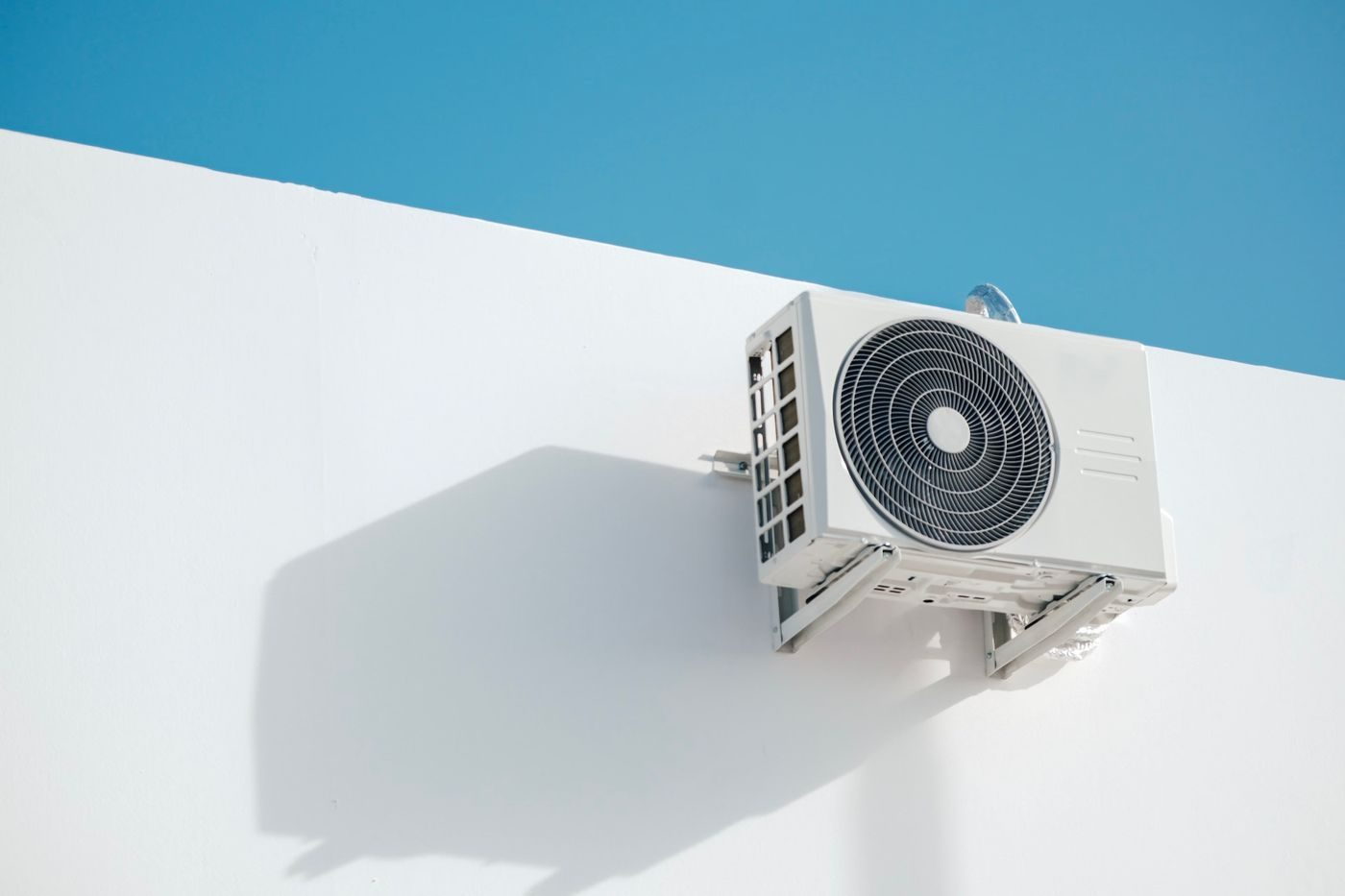
| Fixed split system | landlord, plus freeholder, plus often the council | needs an outdoor unit and a hole through the wall |
| All in one wall unit | landlord, plus freeholder, often the council | no outdoor unit, two holes in the wall |
| Building’s own system | building manager | some new blocks have cooling built in |
Ask the landlord first
Fixing anything to the walls of a rented flat, let alone coring a hole through an outside wall, is an alteration your tenancy agreement will almost certainly say needs your landlord’s permission. Do not book an installer until you have it in writing.
If your landlord owns a leasehold flat, which is very common in London, they do not own the outside walls either. They will need the freeholder’s consent under their lease, often through a licence for alterations. Then, for most flats, there is planning. The permitted development rules for heat pumps apply to a house or a whole block of flats, allow only one heat pump per block, and do not cover cooling only units (Planning Portal). So a single flat usually needs a planning application.
That is three layers of consent, so a fixed system in a rented flat takes time, and it only makes sense if the landlord sees value in it.
Making the case to a landlord
Some landlords say yes, particularly if the flat is hard to let in summer or the system also heats. Points that help:
- a reversible system can replace old electric heaters with a more efficient heat source
- it may help the flat appeal to future tenants
- you can share quotes, the proposed unit position and noise information
- you can agree how costs, ownership and servicing will work
Put any agreement in writing: who pays for the installation, who owns the equipment, who services and repairs it, and what happens at the end of the tenancy.
Hounslow and Brentford flats
Brentford and the Great West Road corridor have many new build riverside blocks, and Hounslow and Isleworth have a mix of converted houses and purpose built flats. Two local factors make cooling a frequent request:
- Heat: the Met Office recorded 40.2°C at Heathrow, on Hounslow’s western edge, on 19 July 2022, the joint UK record (Met Office)
- Noise: homes under flight paths and beside busy roads often keep windows shut, which makes overheating worse
Some newer blocks were designed with overheating in mind, and a few include comfort cooling or ventilation systems. If your building has one, report problems to the landlord or building manager, as it may need a service rather than a new system. Our Hounslow and Chiswick page covers the local housing.
Portable units: making them work
If fixed air conditioning is not possible, a portable is the realistic option. To get the best from one:
- choose a dual hose model if you can, as it cools more effectively
- keep the exhaust hose short and straight
- seal the window opening with a proper kit, and make sure the window can still be secured
- close the door to the room you are cooling
- use it in one room, typically the bedroom at night
Portables are noisy because the compressor is in the room, and the hose leaks heat back in. Our guide to portable or split air conditioning explains the trade off.
If you are a landlord
If you own a flat you let and want to add cooling, follow the same steps as any flat owner: check your lease, get freeholder consent, check planning and use a properly qualified installer. The refrigerant must be handled by an engineer with an F-gas qualification working for a certified company, and the new electrical circuit must meet Part P. Keep the service records and give your tenants the operating instructions. Our air conditioning for flats page explains the consent process in detail.
Simple measures meanwhile
While you wait for a decision, these help a hot rented flat:
- close blinds or curtains on sunny windows during the day
- open windows on cooler sides of the building at night, where noise allows
- use fans to move air across you rather than around the room
- switch off lights and appliances you are not using
Questions to agree with your landlord in writing
If your landlord agrees to a fixed system, put the details in writing before any work starts. Useful points to cover:
| Question | Why it matters |
|---|---|
| Who pays for the installation? | avoids disputes later |
| Who owns the system? | affects what happens when you move out |
| Who arranges and pays for servicing? | filters and drains need yearly care |
| Who pays for repairs? | breakdowns in a heatwave are common |
| Will it be removed at the end of the tenancy? | removal and making good have a cost |
| Has the freeholder agreed, and is planning in place? | work without consent may have to be undone |
Ask the landlord to confirm that the installer will handle the refrigerant legally, through an engineer with an F-gas qualification working for a certified company, and that the electrics will be done to Part P.
Quick questions
Can my landlord refuse air conditioning?
Yes. A fixed system means drilling through the building and adding an outdoor unit, which needs the landlord's consent, and often the freeholder's and the council's. Your tenancy agreement will normally require permission for alterations.
Do landlords have to provide air conditioning in the UK?
There is no general legal requirement for landlords to provide air conditioning. Excess heat is one of the hazards councils can assess under the Housing Health and Safety Rating System, so if your flat overheats badly, raise it with your landlord first and the council's private housing team if needed.
Can I use a portable air conditioner in a rented flat?
Usually yes, because it is not fixed to the building. Check your tenancy for any restrictions, and make sure the hose and window opening are safe and secure.
Last updated 23 October 2026. Written for homes in London. Rules can change, so check the linked sources for the latest position.