Home air conditioning
Home air conditioning installation in London
Home air conditioning in London is usually a wall mounted split system: a slim indoor unit in each room and a compact outdoor unit at the back of the house, on a flat roof or in a lightwell. The work starts with a survey of the rooms, the outside wall and the planning position, then a fixed written quote.
Start a quote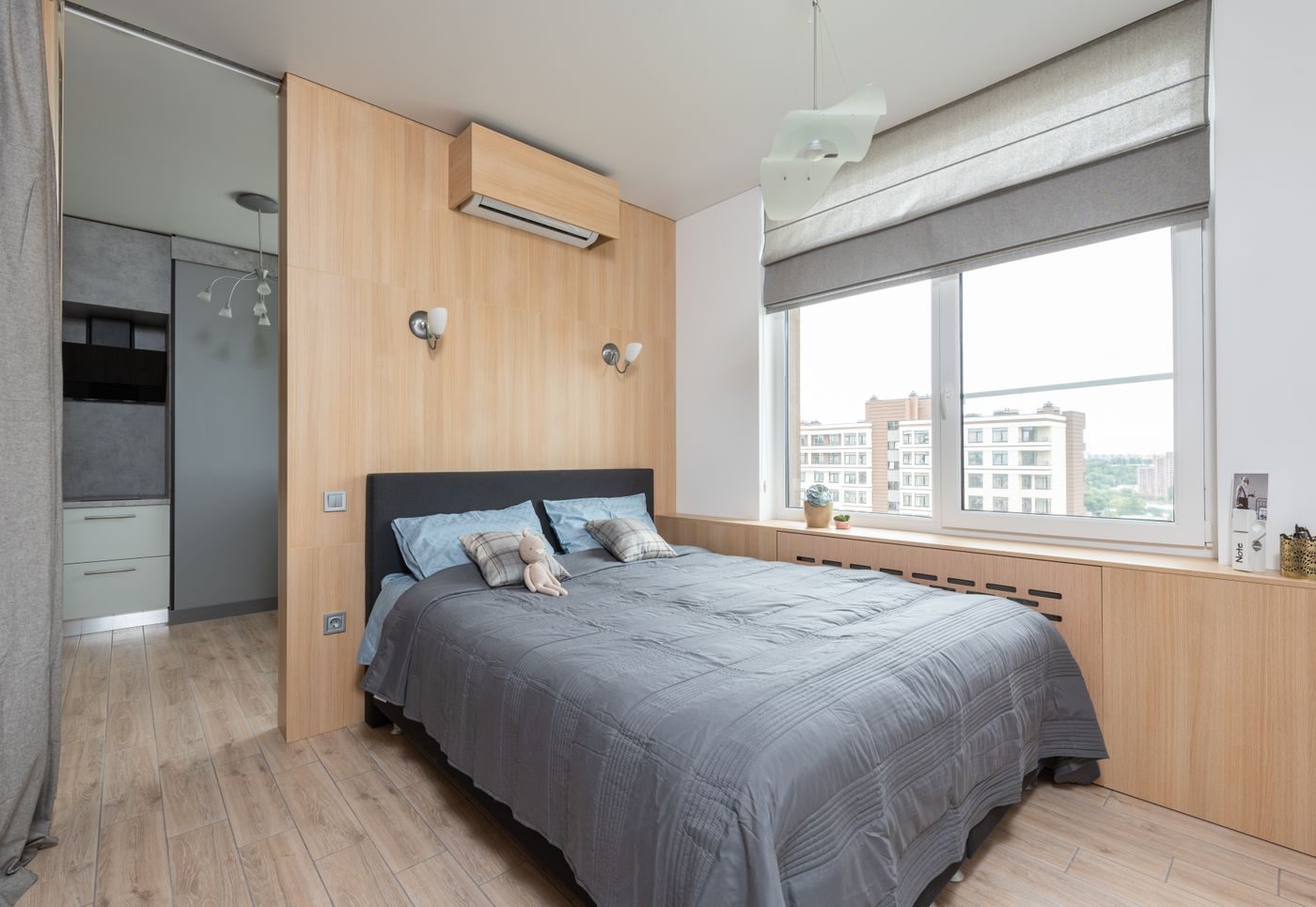
Air conditioning quote
Tell us about the rooms. The installer will confirm sizes and positions on a free survey.
- 01The space
- 02Your building
- 03What you want
- 04Your details
The space
Which rooms need cooling?
Pick all that apply.
The space
How many indoor units do you think?
Your building
What type of property?
Your building
Where could the outdoor unit go?
Your building
What are the outside walls?
What you want
Do you want it to heat as well?
Most split systems can run in reverse as an air to air heat pump.
What you want
When would you like it fitted?
What you want
What is the postcode?
So the right engineer for your area picks it up.
Your details
Your quote is confirmed at a free survey
Unit sizes depend on room size, windows, insulation and where the outdoor unit can go. The installer checks all of that in person before giving a fixed price.
You need this when
- Bedrooms are still above 25°C at midnight during a hot spell
- Fans just push warm air around a top floor room
- You work from home and the afternoon sun makes the room unusable
- A portable unit is noisy and the hose will not seal in a sash window
- You want heating and cooling from one system instead of electric heaters
- You are planning a refurbishment and want pipe runs hidden before decorating
Why so many London homes now want cooling
London is the hottest part of the UK in summer. The Met Office puts the average July daytime high at 23.5°C, the highest in the country, and both Heathrow and St James's Park reached 40.2°C on 19 July 2022, the joint UK record. The city also holds its heat after dark. Brick, stone and tarmac soak up sun all day and give it back at night, which is why a bedroom in Islington or Fulham can still feel stuffy at 2am when the countryside has cooled.
Most London homes were never built with cooling in mind. Victorian terraces have solid walls and slate roofs, mansion blocks have deep plans with little cross breeze, and many newer flats have large windows facing south or west. A split system lets you cool the rooms that matter, usually the bedrooms and a home office, without filling windows with portable hoses.
Where the outdoor unit goes decides most of the job
The indoor unit is the easy part. The real question in London is where the outdoor unit, sometimes called the condenser, can sit. Good spots are usually:
- a rear wall at ground floor level, away from a neighbour's bedroom window
- a flat roof over a rear extension, set back at least 1 metre from the edge
- a lightwell or basement area with enough air around it
- a garden on a low wall bracket or ground frame
Spots that cause trouble are front walls in conservation areas, pitched roofs, tight corners that bounce noise around, and balconies where the lease forbids fixings. The pipes between the two units can run several metres, so we can often keep the outdoor unit out of sight and still cool a front bedroom.
Planning, consent and the rules that apply
In England a heat pump used for heating, which includes a reversible air conditioner, can be permitted development under Class G if it meets the size, siting and noise limits, including a calculated 37 dB(A) at a neighbour's window under the MCS 020 planning standard. A unit used only for cooling is not covered, so it needs planning permission. Listed buildings always need consent, and in a conservation area the unit cannot go on a wall or roof facing the street. You can read the full list on the Planning Portal.
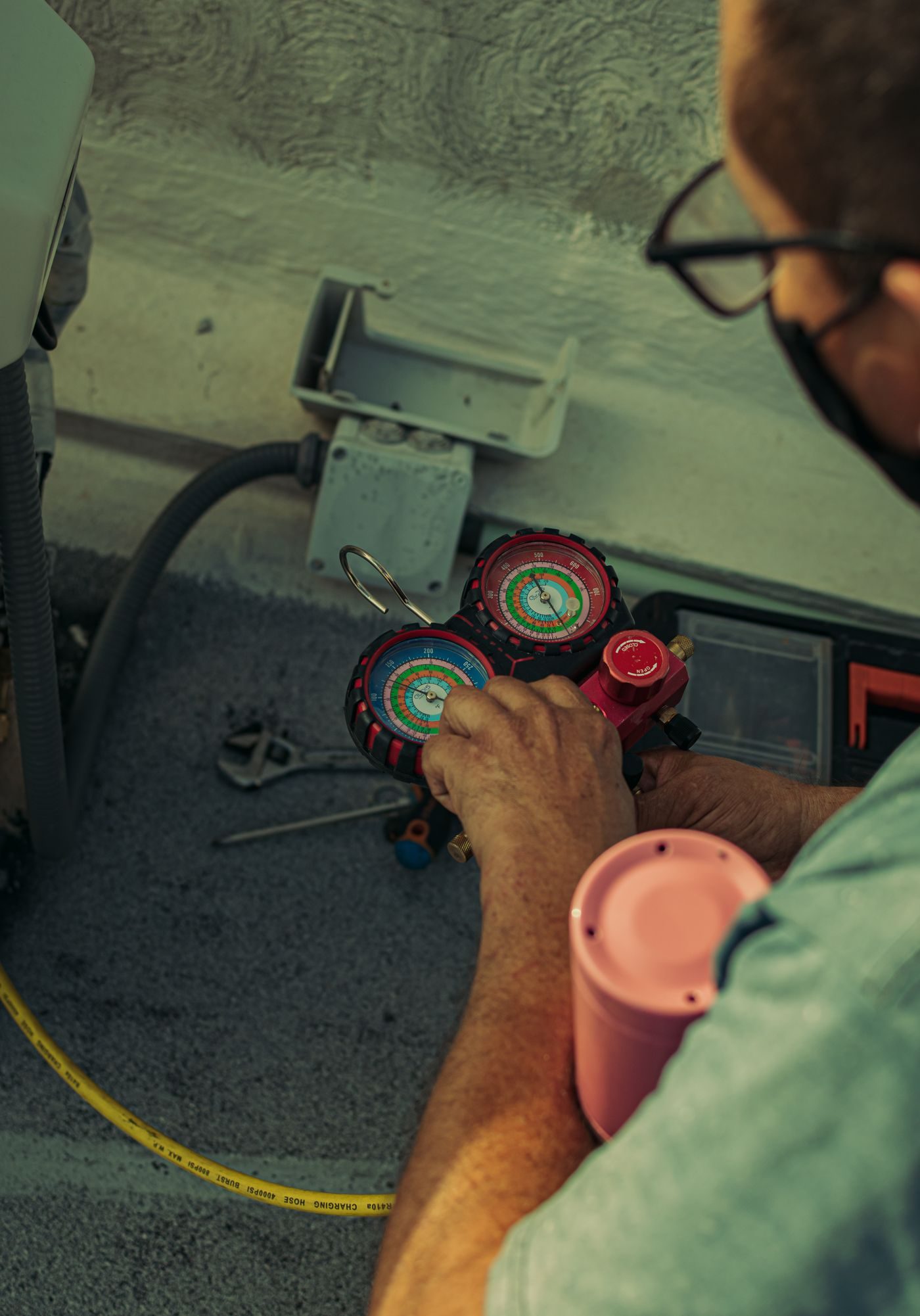
Three other rules matter. Anyone who installs or works on the refrigerant must hold an F-gas qualification and work for a company with F-gas certification from an approved body such as Refcom or the F-Gas Register, so ask for the certificate number and check it. The new electrical circuit is notifiable under Part P, so it must be done by a registered electrician or signed off by building control. If you own a leasehold flat, your lease will almost always need the freeholder's written consent before anything is fixed to the outside of the building.
Getting the size and the noise right
A unit that is too small runs flat out and never quite cools the room. One that is too big switches on and off and leaves the air clammy. Sizing depends on the floor area, ceiling height, glazing, which way the room faces and whether there is a roof directly above. A top floor bedroom under an uninsulated roof needs more cooling than the same size room on the ground floor.
Noise matters on both sides of the wall. Inside, look at the quiet mode figure for night use. Outside, the council or your neighbours will care about the sound at the nearest window. In central boroughs the bar is high: Westminster's guidance asks for plant noise well below the existing background level. We pick the unit and the position together so the numbers work before anything is drilled.
What affects the price
Every London home is different, so the price is confirmed after a survey. The main drivers are the number of rooms, the size of each indoor unit, how far the pipes have to travel, how the outdoor unit is fixed and reached, and whether the electrics need a new circuit or a consumer unit upgrade. For a guide, the Energy Saving Trust puts a typical air to air heat pump, which is the same kit as a reversible air conditioner, at about £1,900 for one room and around £3,700 for a three bedroom semi.
| What | Price |
|---|---|
| Single room wall mounted system (reversible air to air) | about £1,900 (Energy Saving Trust typical figure) |
| Three bedroom semi, several rooms | around £3,700 (Energy Saving Trust typical figure) |
| Long pipe runs, trunking, making good | quote on survey |
| Flat roof or high level access for the outdoor unit | quote on survey |
| New electrical circuit | quote on survey |
| Planning application or freeholder licence fees | set by the council or freeholder |
No prices are shown on this site. Every job is priced after a look at it, by photo or a visit.
How the job runs
-
Use the quote form to tell us how many rooms, the property type and roughly where an outdoor unit could go. Photos of the back wall help.
-
We measure each room, check sun direction and insulation, find a route for pipes and the condensate drain, and look at the electrics for a new circuit.
-
We tell you whether the job looks like permitted development, needs a planning application, or needs freeholder or landlord consent first, and what the council will want to see.
-
You get the system, unit positions, pipe route and what is included in writing, with the price confirmed after the survey.
-
Indoor units go up, pipes are run and pressure tested, the system is filled and commissioned, and we show you the remote and the cleaning routine.
Every price is agreed in writing before work starts.
Start a quoteDo I need planning permission for air conditioning in London?
It depends on the unit and the building. A reversible heat pump that also heats can be permitted development if it meets every Class G limit, but a cooling only unit needs permission. Listed buildings, many conservation area positions and most flats need an application or other consent.
Can air conditioning heat my home as well?
Most modern split systems are reversible, so they heat in winter and cool in summer. They warm the air rather than radiators. If heating is a main reason for the install, the system needs to be sized for your winter heat loss, not just summer cooling.
How long does a home installation take?
A single room system with a short pipe run is often a one day job. Several rooms, long runs or awkward access take longer. The survey will give you a realistic timescale for your home.
Will it be noisy for my neighbours?
Modern outdoor units are fairly quiet, but position matters more than the brand. We work out the sound level at the nearest neighbour's window before choosing the spot, which is also what the planning rules ask for.
Who can legally install air conditioning?
Refrigerant work must be done by an engineer with an F-gas qualification working for an F-gas certified company. The electrics must meet Part P. Ask any installer for their company F-gas certificate and check it on the certification body's register.
Where
Home air conditioning across London
air conditioning installation cost
How much does air conditioning installation cost in London?
Read the articlef gas certificate
How to check an air conditioning installer's F-gas certificate
Read the articleair conditioning planning permission
Do you need planning permission for air conditioning in London?
Read the article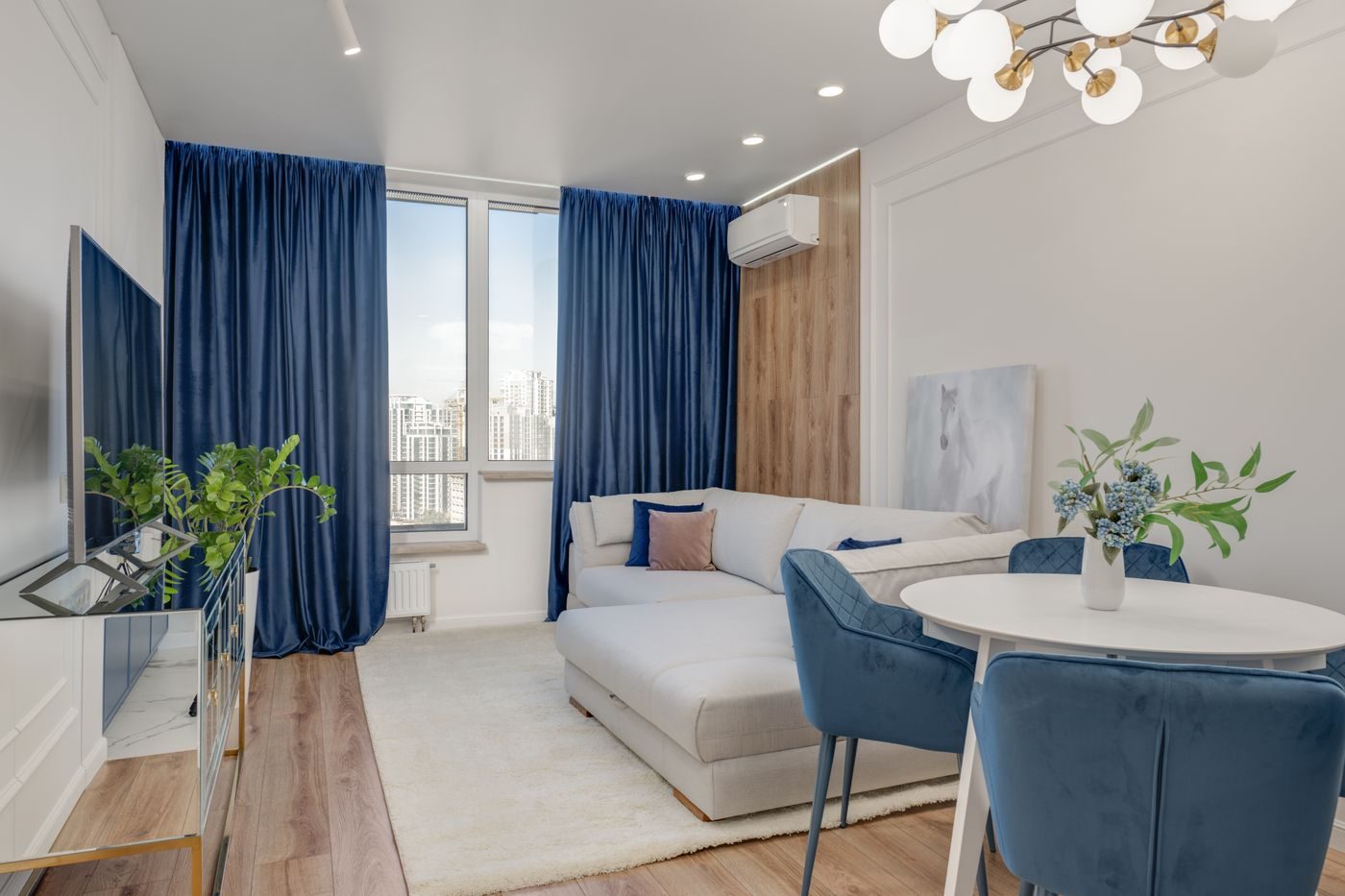
Home air conditioning
Send it through and get a reply
Describe the rooms or the problem in a sentence. Photos of the wall and the outside space help if you can text them later.